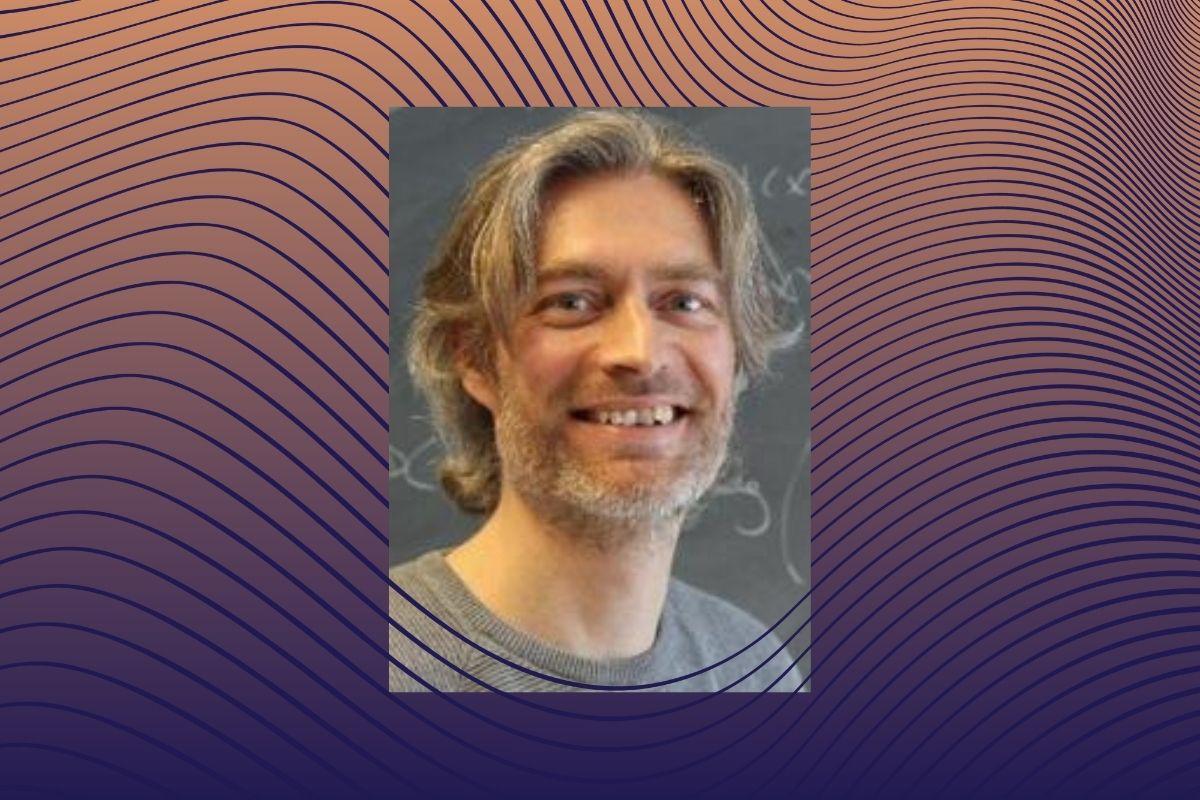
Professor Jan Østergaard from the Department of Electronic Systems has received DKK 13.4 million from the Novo Nordisk Foundation to explore how the brain learns sounds. The project aims to develop new methods that can uncover the brain’s mechanisms behind auditory learning and deepen our understanding of how the brain processes and acquires sound.
The project examines, among other aspects, how the brain recognizes familiar and unfamiliar speech, and how learning processes vary depending on the complexity of the information. The researchers are also testing a method in which sounds are adapted in real time based on brain activity. The aim is to support more efficient auditory learning while gaining new insights into the mechanisms of learning and consciousness.
From Sound Signal to Learning Strategy
“In Danish, many sounds are pronounced very weakly or are left out altogether, and words are often ‘squeezed together’ so that several syllables almost disappear. At the same time, there are often long stretches of vowel sounds and few clear consonants. This makes it more difficult to hear where one word ends and the next begins. For children who are still learning language, and for older adults with hearing impairments, this can be a real barrier to both learning and communication,” explains Professor Jan Østergaard.
In this project, researchers will develop methods that adapt sounds based on the brain’s responses. By emphasizing patterns, repeating signals, or adjusting sound in real time, it is possible to support individual learning and memory processes. This may lead to new and more flexible approaches to teaching and treatment that align with how the brain learns most effectively.