News
New ground station strengthens Denmark’s position in space
Published online: 11.05.2026
News
New ground station strengthens Denmark’s position in space
Published online: 11.05.2026
New ground station strengthens Denmark’s position in space
News
Published online: 11.05.2026
News
Published online: 11.05.2026
By Kim Rathcke Jensen, AAU Communication and Public Affairs
Photo: Colourbox:
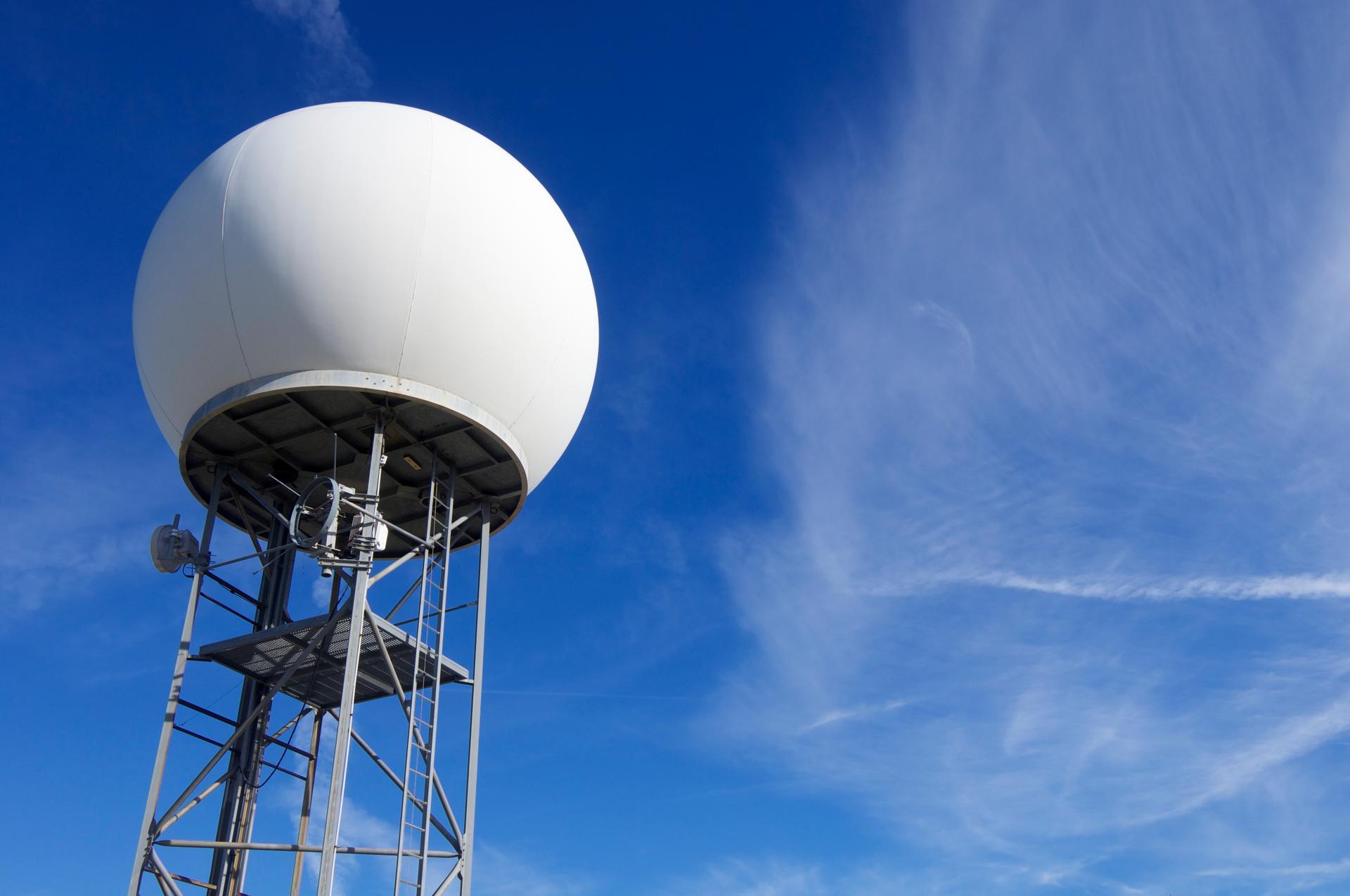
A ground station is a terrestrial facility equipped to transmit or receive data to or from satellites, space probes, or spacecraft. The ground station in Aalborg will consist of two antennas (4 and 6 metres) and a control centre. The image shows an example of part of a ground station and not the specific one being built by Aalborg University
Aalborg University is investing DKK 18 million in a ground station capable of communicating with satellites and space probes. It will be the largest of its kind in Denmark.
The facility, which includes antennas, data, and control centres, will be scaled to connect with the European Space Agency (ESA)’s global network of ground stations, managed from the agency’s control centre in Germany.
“Aalborg is on its way to becoming Denmark’s space capital. As a university, our research is among the European elite. We are surrounded by a growing hub of skilled companies and start-ups that turn knowledge into concrete solutions and commercialise Danish space technology. But we have lacked a ground station to support our and Denmark’s ambitions in space. Now we have it,” says Per Michael Johansen, Rector of Aalborg University.
A ground station is a terrestrial facility equipped to transmit or receive signals to or from satellites, space probes, or spacecraft.
“Ground Stations are at the heart of our ability to fully exploit our scientific missions and therefore are a strategic asset. ESA is actively looking to federate tracking resources from European partners to expand the capacities to support its current and future missions, as such we see the Aalborg future ground station as a potential asset to join our augmented network,” says Bruno Sousa, Head of the Operations Definition and Engineering Team at ESA.
Construction of the ground station in Aalborg will begin in the summer of 2026, with the first phase operational by May 2027. The final phase will be completed in 2029.
The ground station will consist of several components: a 4-metre antenna located on Aalborg University’s campus, a 6-metre antenna situated off-campus, both protected by radomes, and a control centre with communication modules, data processing, and storage capabilities.
Researchers and students at Aalborg University’s Space Tech Center will have access to the ground station for research, student projects, teaching, and various tests. Companies involved in the collaboration will also be able to use the ground station for data collection and satellite communication.
“With a ground station, we will be able to communicate with a large number of satellites in different orbits. Overall, the ground station will be a significant contribution to Danish and European sovereignty in space,” says Israel Leyva Mayorga, Head of the Space Tech Center at Aalborg University.
The new ground station has been developed in collaboration with ESA, which in the coming years will need to significantly expand its ground station infrastructure. The ambition is for the Danish station to become part of the agency’s network, giving Denmark as a partner access to ESA’s entire global network of stations.
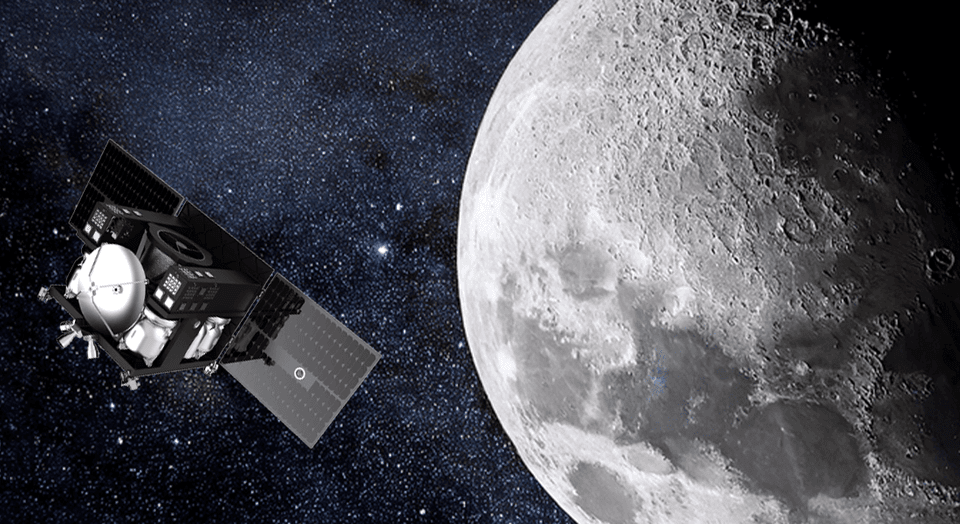
“The ground station will also enable us to communicate with future Danish space missions. We will also be able to receive high-resolution images and other data from the Danish Máni mission, which is set to launch in 2029 to map parts of the Moon,” says Israel Leyva Mayorga.
The ground station is funded by grants allocated to AAU from the research reserve and is part of the university’s focus on space technology.
Aalborg University opens new centre for space technology
On Tuesday, 12 May, the Space Tech Center will open, spanning multiple research areas and bringing together experts in satellite, robotics, and space communication technologies.
By 2029, AAU will also invest DKK 530 million in building some of the most modern facilities for research and education in space technology and technology in general, including DKK 80 million for a new Tech Lab, which is scheduled for completion in 2029.
Rector Per Michael Johansen via Strategic Advisor Bo Jeppesen
Phone: +45 6140 4061
Mail: boje@adm.aau.dk
Israel Leyva Mayorga, Head of Space Tech Center, Aalborg Universitet
Phone: +45 9940 7754
Mail: ilm@es.aau.dk
AAU Press Contact (Office days from 9.00 - 15.00)
Phone: +45 22150192
Mail: presse@adm.aau.dk
Web: https://www.aau.dk/nyheder/pressen
Kim Rathcke Jensen, AAU Communication and Public Affairs
Phone: (+45) 6196 7166
Mail: kiraje@adm.aau.dk